

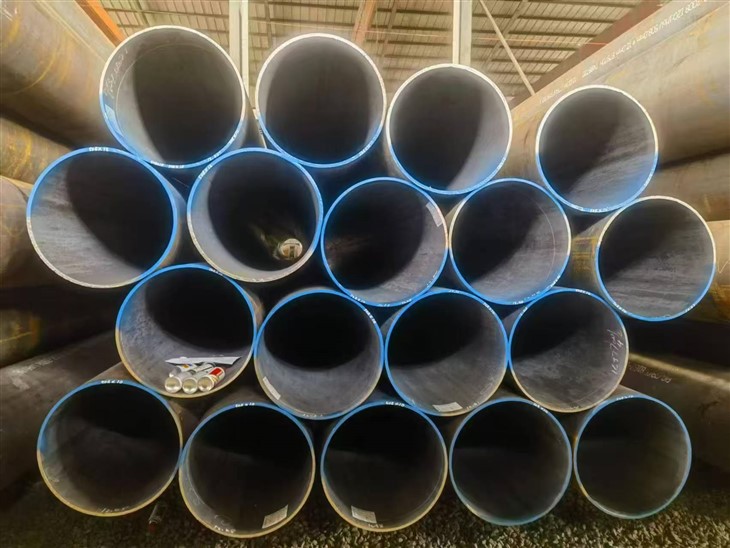
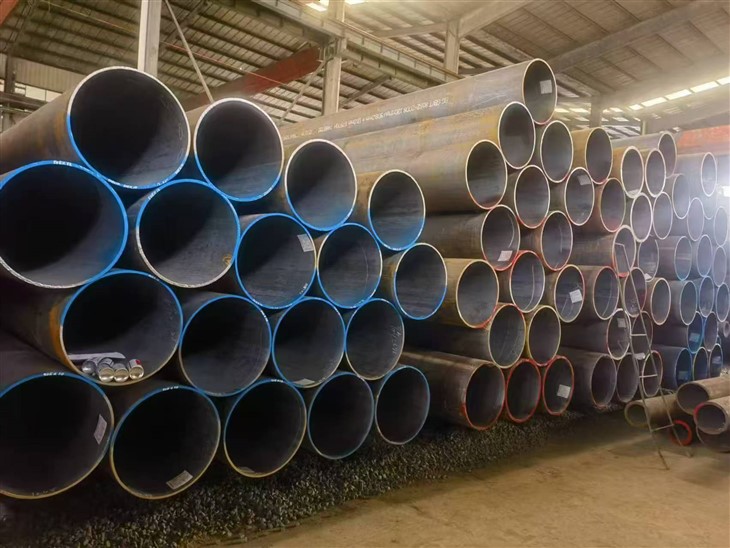
What is ASTM A335 Gr P11 Alloy Pipe

ASTM A335 Gr P11 (also known as ASME SA335 Gr P11) is a low-alloy chromium-molybdenum (Cr-Mo) ferritic seamless steel pipe, and it is one of the most widely used grades in the ASTM A335 standard. Its typical composition is 1.25% Cr - 0.5% Mo. Through the synergistic effect of chromium and molybdenum, it offers superior high-temperature strength and hydrogen corrosion resistance compared to ordinary carbon steel.
P11 alloy tubes exhibit excellent comprehensive performance at medium-high temperature conditions ranging from 430°C to 550°C, featuring weldability, cold and hot processing capabilities, and cost-effectiveness. For hydrogenation units in refineries, superheater pipelines in power station boilers, and high-temperature process pipelines, ASTM A335 Gr P11 seamless steel pipes are a reliable material that has been verified over several decades.
If your project is exposed to high-temperature hydrogen corrosion conditions or requires higher creep strength than carbon steel, but has not yet met the stringent requirements of P22 or P91, P11 is often the most technically and economically optimal choice.
P11 Positioning in the chromium-molybdenum steel series
The ASTM A335 standard covers several chromium-molybdenum alloy grades. P11 is a typical representative of medium chromium content (1.25% Cr), falling between P5 (5% Cr) and P22 (2.25% Cr). Compared to ordinary carbon steel (such as A106 Gr B), P11 has significantly higher allowable stress and hydrogen corrosion resistance at high temperatures; compared to higher chromium content P22 or P91, P11 has better weldability and lower material cost.
Comparison: Carbon Steel (A106 Gr B) vs. ASTM A335 Gr P11 vs. P22
| Parameter | Carbon Steel (A106 Gr B) | ASTM A335 Gr P11 | P22 |
|---|---|---|---|
| Chromium Content (Cr) | - | 1.00–1.50% | 1.90–2.60% |
| Molybdenum Content (Mo) | - | 0.44–0.65% | 0.87–1.13% |
| Typical Maximum Service Temperature | ~400°C | ~550°C | ~580°C |
| Hydrogen Attack Resistance | Low | Moderate (suitable for high-temperature hydrogen service) | Higher |
| Relative Cost | Baseline | Medium | Higher |
Core value: P11 fills the performance gap between carbon steel and higher-grade chromium-molybdenum steel, and is the "standard solution" for many medium-temperature and high-pressure process pipelines.
Chemical Composition – ASTM A335 Gr P11 (Heat Analysis, wt%)
| Grade | C | Mn | P max | S max | Si | Cr | Mo |
|---|---|---|---|---|---|---|---|
| P11 | 0.05–0.15 | 0.30–0.60 | 0.025 | 0.025 | 0.50–1.00 | 1.00–1.50 | 0.44–0.65 |
Explanation of Element Functions:
- Carbon (C) 0.05–0.15%: Balances strength and weldability, with the upper limit being relatively low to facilitate welding.
- Chromium (Cr) 1.00–1.50%: Enhances antioxidant properties and resistance to hydrogen corrosion.
- Molybdenum (Mo) 0.44–0.65%: Enhances high-temperature creep strength and inhibits temper embrittlement.
- Silicon (Si) 0.50–1.00%: Deoxidizer, also enhancing oxidation resistance.
Minimum Mechanical Properties – ASTM A335 Gr P11 (Longitudinal Specimen)
| Grade | Tensile Strength (ksi) | Tensile Strength (MPa) | Yield Strength (ksi) | Yield Strength (MPa) |
|---|---|---|---|---|
| P11 | 60 | 415 | 30 | 205 |
Supplementary Explanation:
- The yield strength is the specified value at a residual deformation of 0.2% (or the stress corresponding to a total elongation of 0.5% under the load).
- Post-fracture elongation (longitudinal, gauge length 4D): Generally, it is required to be ≥ 30% (refer to the latest version of ASTM A335 for specific details).
- The room temperature strength of P11 is similar to that of P22, but the allowable stress at high temperatures is lower than that of P22.
Physical Properties (Reference Values, Normalized & Tempered Condition)
| Density | Thermal Conductivity (at 100°C) | Specific Heat (at 20°C) | Electrical Resistivity (at 20°C) | Coefficient of Thermal Expansion (20–300°C) | Modulus of Elasticity (at 20°C) |
|---|---|---|---|---|---|
| 7.85 g/cm³ | Approx. 42 W/m·K | Approx. 460 J/kg·K | Approx. 0.30 μΩ·m | Approx. 12.2 μm/m·°C | Approx. 200 GPa |
performance characteristics of ASTM A335 Gr P11 alloy pipes
Good high-temperature strength
The molybdenum (0.44–0.65%) in P11 significantly enhances the creep strength of the material at high temperatures. Within the range of 450–500°C, its allowable stress is approximately 1.5–2 times that of carbon steel (A106 Gr B). This enables P11 pipes to use thinner wall thicknesses under the same pressure, or to withstand higher pressure under the same wall thickness.

Excellent resistance to hydrogen corrosion
In the oil refining and petrochemical industries, high-temperature hydrogen corrosion (HTHA) is one of the main failure modes for carbon steel pipelines. The 1.25% chromium content in P11 makes its applicable temperature and hydrogen partial pressure range on the Nelson curve significantly higher than that of carbon steel. According to the API 941 standard, P11 can be safely and reliably used for long-term service under conditions of approximately 450°C and hydrogen partial pressure of 2–3 MPa.

Excellent antioxidant and corrosion-resistant properties
Chromium forms a dense protective layer of chromium oxide (Cr₂O₃) on the surface of the steel, enabling P11 to have a longer service life than carbon steel in high-temperature oxidative atmospheres. At the same time, in medium and low-temperature sulfur corrosion environments, the corrosion resistance of P11 is also superior to that of ordinary carbon steel.

Excellent processing and welding performance
Compared to P22 or P91 with higher chromium content, P11 has a lower carbon equivalent and is less sensitive to welding cold cracks. Conventional welding processes (such as manual arc welding SMAW, argon arc welding GTAW) can be applied. The preheating temperature is usually 150–200°C, and the post-weld heat treatment (PWHT) requirements are relatively relaxed (typically 650–730°C for holding). This makes P11 have significant advantages in on-site installation and maintenance.

Our Company & Factory&Available specifications

Jiangsu Cunrui Metal Products Co., Ltd. is a professional manufacturer specializing in the production and export of carbon steel pipes, with a large-scale factory covering an area of over 20,000 square meters. Our factory is equipped with advanced production lines, including hot rolling, cold drawing and seamless pipe production equipment, with an annual output of more than 80,000 tons. We have a professional team of engineers, technicians and quality inspectors, who have rich experience in the steel pipe industry and are committed to providing customers with high-quality products and services.
Specifications & Available Options – ASTM A335 Gr P11
| Parameter | Details |
|---|---|
| Standard | ASTM A335 / ASME SA335 |
| Grade / Material | Grade P11 (1.25Cr-0.5Mo) |
| Product Form | Seamless Round Pipe |
| Outer Diameter Range | 13.7 mm (1/4") – 914 mm (36") ; larger sizes on request |
| Wall Thickness Range | Sch 40, Sch 80, Sch 120, Sch 160, XXS, and custom (up to ~60 mm) |
| Length | SRL (4–7 m), DRL (8–13 m), or cut-to-length (3/6/9/12 m) |
| Delivery Condition | Normalized + Tempered (N+T) ; Annealed upon request |
| End Finish | Plain End or Beveled End (for butt welding) |
| Surface Finish | Pickled (hot-rolled) / Turned or Cold-drawn bright |
| Service Temperature | Recommended for long-term service up to ~550°C |
All materials are available for supply:
- EN 10204 3.1 Warranty Certificate (Traceing chemical composition and mechanical properties by furnace number)
- PMI Measured Report (100% Portable Spectrometer Detection)
- Non-destructive testing report (Ultrasonic UT, Eddy Current ET, Hydrostatic Test)
- Optional third-party inspections (SGS, BV, TÜV)


If you need the current inventory, price and technical documents of ASTM A335 Grade P11 seamless steel pipes, please provide the following information:
- Specification: Outer Diameter (OD) × Wall Thickness (WT) × Length (L)
- Quantity: Metres or Pieces
- Standard requirement: ASTM A335 / ASME SA335
- Delivery location: Port name or Factory address
Our engineering and export team will provide the quotation, delivery schedule and certification documents within 24 hours.
Typical application fields
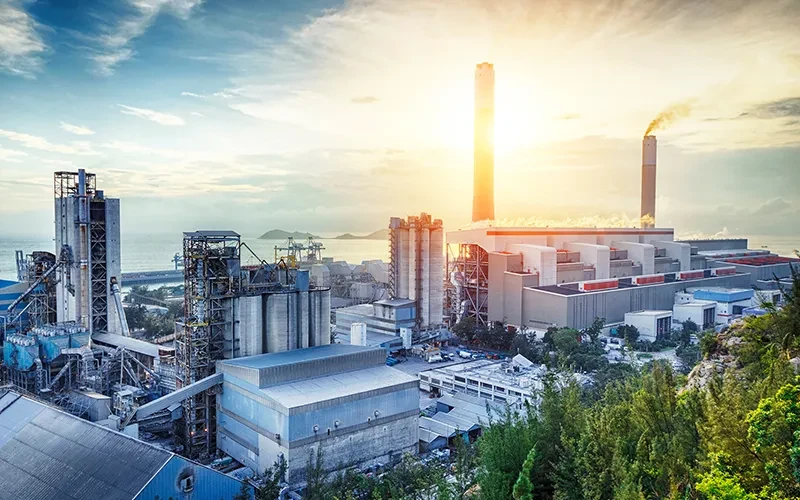
ASTM A335 Gr P11 Seamless Steel Pipe
1. Oil refining and petrochemicals
- Hydrogenation treatment/hydrocracking unit: Process pipelines under high-temperature and high-pressure hydrogen environment
- Catalytic reforming unit: Inlet and outlet pipelines of the high-temperature reactor
- Delayed coking unit: High-temperature gas oil pipeline
- Sulfur recovery unit: Sulfur-containing high-temperature gas pipeline
2. Thermal Power Generation
- Boiler superheater/reheater piping (especially the medium-temperature section)
- Main steam pipeline (applicable to medium-temperature and medium-pressure units)
- Boiler header connection pipe
3. Fertilizer and Methanol Plants
- Outlet pipeline of the reformer
- High-temperature process gas pipeline
4. Industrial high-temperature thermal pipeline network
- Centralized heating high-temperature steam pipeline
- Main steam pipe of the industrial boiler room
Why choose P11 instead of carbon steel or higher alloy?
We are often asked: "Why not use ordinary carbon steel (A106 Gr B)? Or simply upgrade to P22?"
Based on practical experience:
- vs. Carbon Steel (A106 Gr B): When the operating temperature exceeds 400°C or there is a high-temperature hydrogen environment (according to the Nelson curve), the creep strength and hydrogen corrosion resistance of carbon steel are insufficient. P11 has significant advantages in terms of lifespan and safety under these conditions.
- vs. P22: When the maximum temperature is below 520°C and there is no particularly high hydrogen pressure, P11 can fully meet the requirements, and the welding process window is wider, with lower material costs. P11 is a more economical choice for many "medium operating conditions".
We have encountered cases where customers chose P11 instead of carbon steel in high-temperature hydrogen pipelines, successfully extending the maintenance period from 2 years to over 6 years. We have also seen instances where customers overused P22, resulting in unnecessary increases in welding difficulty and costs.
Our supply experience
Jiangsu Cunrui Metal Products Co., Ltd. has over 15 years of experience in supplying ASTM A335 series alloy pipes. We have cumulatively supplied thousands of tons of Gr P11 seamless pipes to 200+ domestic and international oil refining, petrochemical, and power projects.
Not only do we provide materials that meet the standards, but we also place greater emphasis on assisting our customers:
Based on the actual operating temperature and pressure, verify the rationality of the wall thickness and material selection.
Provide recommended welding process parameters (WPS) and post-weld heat treatment specifications;
Ensure the rapid delivery of emergency projects - maintain a regular stock of P11 pipe materials of various specifications.
From the hydrogenation units of North American refineries, to the boiler renovations of power plants in Southeast Asia, and to the high-temperature process lines of petrochemical projects in the Middle East - P11 is one of the brands that we are most frequently quoted for and also receive the most repeat orders from customers.

Frequently Asked Questions (FAQ)
- Question: What are the differences between ASTM A335 Gr P11 and A213 Gr T11?
Answer: Their chemical compositions are exactly the same. The differences lie in the product form and applicable standards:
P11 corresponds to ASTM A335 (Pipe), which is typically a large-diameter pipe and is used in piping systems.
T11 corresponds to ASTM A213 (Tube), which is typically a small-diameter thin-walled pipe and is used in the heating surfaces of boilers.
- Question: After P11 pipe material welding, is post-weld heat treatment (PWHT) mandatory?
Answer: According to ASME VIII or ASME B31.3 and other standards, for Cr-Mo alloy steel with a wall thickness exceeding a certain value (typically ≥ 13 mm), PWHT is mandatory. Even if the wall thickness is thinner, to ensure the toughness and hydrogen resistance of the joint, it is recommended to perform PWHT (typical process: hold at 650–730°C for a time calculated based on the wall thickness).
- Question: How can one quickly distinguish P11 from ordinary carbon steel?
Answer: On-site, a portable spectrometer (PMI) can be used to detect the contents of chromium (Cr) and molybdenum (Mo). The Cr content of P11 is approximately 1.0–1.5%, and the Mo content is approximately 0.44–0.65%. Ordinary carbon steel contains either no or very trace amounts of Cr and Mo. Visual inspection and acid washing cannot effectively distinguish them.
- Question: What is the maximum continuous operating temperature for P11?
Answer: Based on the creep data, the recommended long-term continuous operating temperature is typically no more than 550°C. If this temperature is exceeded, consideration should be given to using P22 or a higher-grade alloy.
- Question: Can P11 pipe material be used in hydrogen-containing conditions?
Answer: Yes. P11 is one of the commonly used materials in hydrogenation processes. However, its specific applicability needs to be determined according to the Nelson curve (API 941): including hydrogen partial pressure and operating temperature. In higher temperature or higher hydrogen partial pressure conditions, P22 or P91 might be required.


