

Hey there, fellow metal enthusiasts! I'm a supplier of 446 stainless steel plates, and today I'm stoked to share some tips on how to weld this awesome material. Whether you're a seasoned pro or just starting out in the welding game, this guide will give you the lowdown on getting the best results when working with 446 stainless steel plates.
First off, let's talk a bit about 446 stainless steel. It's a high-chromium ferritic stainless steel that offers great corrosion resistance, especially in high-temperature environments. This makes it a popular choice for things like furnace parts, heat exchangers, and automotive exhaust systems. But when it comes to welding, there are a few things you need to keep in mind to ensure a strong and durable joint.
Pre-Welding Preparation
Before you even fire up your welder, proper preparation is key. Start by cleaning the 446 stainless steel plates thoroughly. Any dirt, oil, or rust can cause defects in the weld, so it's important to get the surface as clean as possible. You can use a wire brush or a solvent to remove any contaminants. Make sure to also remove any mill scale, which is a thin layer of oxide that forms during the manufacturing process.
Next, you'll want to bevel the edges of the plates if you're doing a butt joint. This helps to ensure better penetration and a stronger weld. The bevel angle and width will depend on the thickness of the plates and the welding process you're using. A common bevel angle for 446 stainless steel is around 30 to 45 degrees.

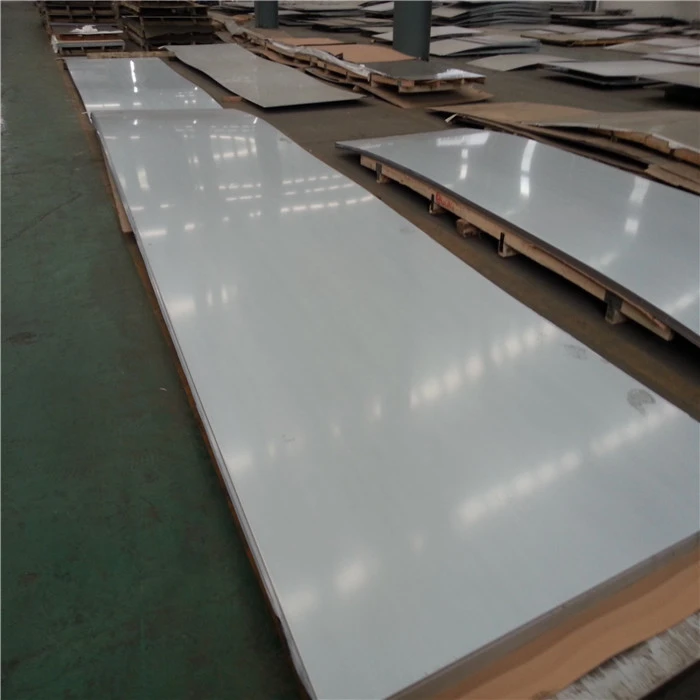
It's also a good idea to preheat the plates. 446 stainless steel has a relatively high thermal conductivity, which means it can cool down quickly during welding. Preheating helps to reduce the cooling rate and prevents the formation of hard and brittle structures in the weld zone. The preheating temperature will typically range from 200°F to 400°F (93°C to 204°C), but it's important to check the manufacturer's recommendations for the specific grade of 446 stainless steel you're using.
Welding Process Selection
There are several welding processes that can be used to weld 446 stainless steel plates, but some are better suited than others. Here are a few common options:
-
Tungsten Inert Gas (TIG) Welding: This is a popular choice for welding 446 stainless steel because it provides precise control over the weld pool and produces high-quality welds. TIG welding uses a non-consumable tungsten electrode and an inert gas (usually argon) to protect the weld from oxidation. It's a great option for thin plates and when you need a clean and aesthetically pleasing weld. You can check out Sus Stainless Steel Plate THK 0.5mm HL for Decoration for some thin stainless steel plates that are suitable for TIG welding.
-
Metal Inert Gas (MIG) Welding: MIG welding is a fast and efficient process that uses a consumable wire electrode and an inert gas to shield the weld. It's a good choice for thicker plates and when you need to cover a large area quickly. However, it's important to use the right shielding gas and welding wire to ensure good corrosion resistance in the weld.
-
Shielded Metal Arc Welding (SMAW): Also known as stick welding, SMAW is a versatile process that can be used in a variety of environments. It uses a flux-coated electrode to create the weld, and the electrode provides some protection against oxidation. SMAW is a good option for field welding and when you don't have access to a TIG or MIG welder.
Filler Metal Selection
Choosing the right filler metal is crucial for achieving a strong and corrosion-resistant weld. For 446 stainless steel, you'll want to use a filler metal that has a similar chemical composition. A common choice is an E309 or E312 filler metal, which provides good strength and corrosion resistance. These filler metals are also available in different forms, such as rods for SMAW welding and wire for MIG and TIG welding.
It's important to note that the filler metal should be stored in a dry place to prevent moisture absorption, which can cause porosity in the weld. Make sure to follow the manufacturer's recommendations for storage and handling of the filler metal.
Welding Parameters
The welding parameters you use will depend on the welding process, the thickness of the plates, and the filler metal you're using. Here are some general guidelines for TIG welding 446 stainless steel:
- Welding Current: The welding current will depend on the thickness of the plates. For thinner plates, you'll want to use a lower current, while for thicker plates, a higher current may be required. As a general rule, start with a lower current and gradually increase it until you get a good bead formation.
- Welding Speed: The welding speed should be consistent to ensure a uniform weld bead. If you weld too fast, the weld may not penetrate properly, and if you weld too slow, the weld may become overheated and distorted.
- Gas Flow Rate: The gas flow rate is important for protecting the weld from oxidation. A typical gas flow rate for TIG welding 446 stainless steel is around 15 to 25 cubic feet per hour (CFH).
Post-Welding Treatment
After you've completed the welding, it's important to perform some post-welding treatments to ensure the integrity of the weld. One of the most important steps is to stress relieve the welded joint. This helps to reduce the residual stresses in the weld and prevent cracking. The stress relieving temperature will typically range from 1100°F to 1300°F (593°C to 704°C), and it should be held at this temperature for a specific period of time, depending on the thickness of the plates.
You may also want to perform a post-weld heat treatment to improve the corrosion resistance of the weld. This involves heating the welded joint to a specific temperature and then cooling it at a controlled rate. The exact parameters for the post-weld heat treatment will depend on the specific grade of 446 stainless steel you're using and the application requirements.
Troubleshooting Common Welding Problems
Even with the best preparation and welding techniques, you may still encounter some common welding problems when working with 446 stainless steel. Here are a few tips on how to troubleshoot these issues:
- Porosity: Porosity is a common problem in welding, and it can be caused by a variety of factors, such as moisture in the filler metal, improper gas shielding, or a dirty weld surface. To prevent porosity, make sure to clean the weld surface thoroughly, use dry filler metal, and ensure proper gas shielding.
- Cracking: Cracking can occur in the weld or in the heat-affected zone. It can be caused by factors such as high residual stresses, incorrect welding parameters, or a mismatched filler metal. To prevent cracking, make sure to preheat the plates, use the correct welding parameters, and choose the right filler metal.
- Lack of Fusion: Lack of fusion occurs when the weld metal does not fully fuse with the base metal. This can be caused by factors such as a dirty weld surface, incorrect welding parameters, or a low welding current. To prevent lack of fusion, make sure to clean the weld surface thoroughly, use the correct welding parameters, and increase the welding current if necessary.
Conclusion
Welding 446 stainless steel plates can be a challenging but rewarding process. By following the tips and guidelines outlined in this blog post, you can ensure a strong and durable weld that meets your application requirements. Remember to always wear the appropriate safety gear, such as welding gloves, a welding helmet, and protective clothing, when working with a welder.
If you're in the market for high-quality 446 stainless steel plates or other types of stainless steel products, such as Astm A335 Gr P91, 316h plate, custom stainless steel plates, or 202 Stainless Steel Sheet, I'd love to hear from you. We offer a wide range of stainless steel products at competitive prices, and our team of experts can help you find the right solution for your needs. So don't hesitate to reach out and start a conversation about your next project!