

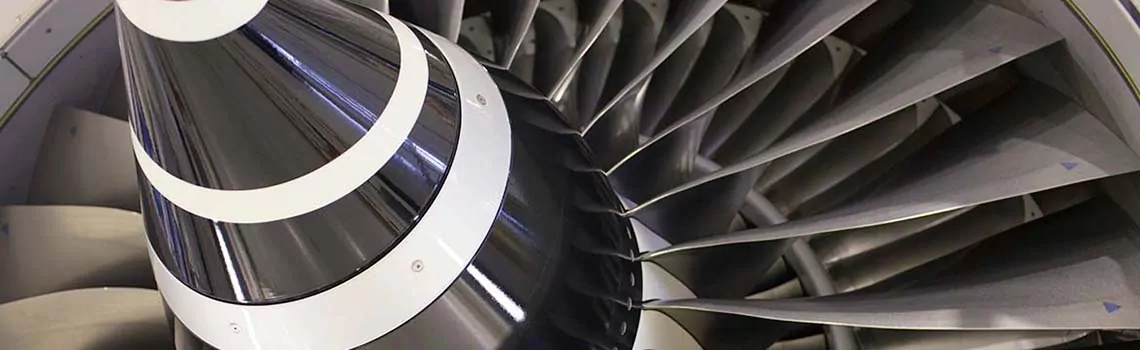
As the global aviation industry faces increasing pressure to reduce carbon emissions, researchers and technology companies are exploring innovative alternatives to traditional fossil-based jet fuel. One of the most promising developments comes from an unexpected source - the steel industry.
Clean technology company LanzaTech has developed a process that converts carbon-rich industrial gases from steel production into ethanol, which can then be refined into sustainable aviation fuel (SAF). The technology has attracted attention from major industry players including Virgin Atlantic, China Baowu Steel Group, Shougang Group, and ArcelorMittal, highlighting the growing connection between steel manufacturing and the future of low-carbon transportation.
Traditionally, process gases generated during steel production were treated as waste streams. LanzaTech's innovation changes that perspective by using specially developed microorganisms that consume carbon monoxide and carbon dioxide contained in steel mill gases. During fermentation, these microbes convert the gases into ethanol, creating a valuable raw material for aviation fuel production.
The environmental potential is significant. Industry estimates suggest that sustainable aviation fuel produced from recycled steel mill gases can reduce greenhouse gas emissions by 50% to 70% compared with conventional petroleum-based jet fuel. If widely adopted, the technology could help prevent millions of tonnes of carbon emissions from entering the atmosphere each year.
Several large-scale demonstrations have already proven the concept. At facilities operated in cooperation with major Chinese steel producers, the technology has successfully produced substantial volumes of ethanol and aviation fuel, demonstrating that industrial carbon emissions can become a valuable resource rather than an environmental burden.
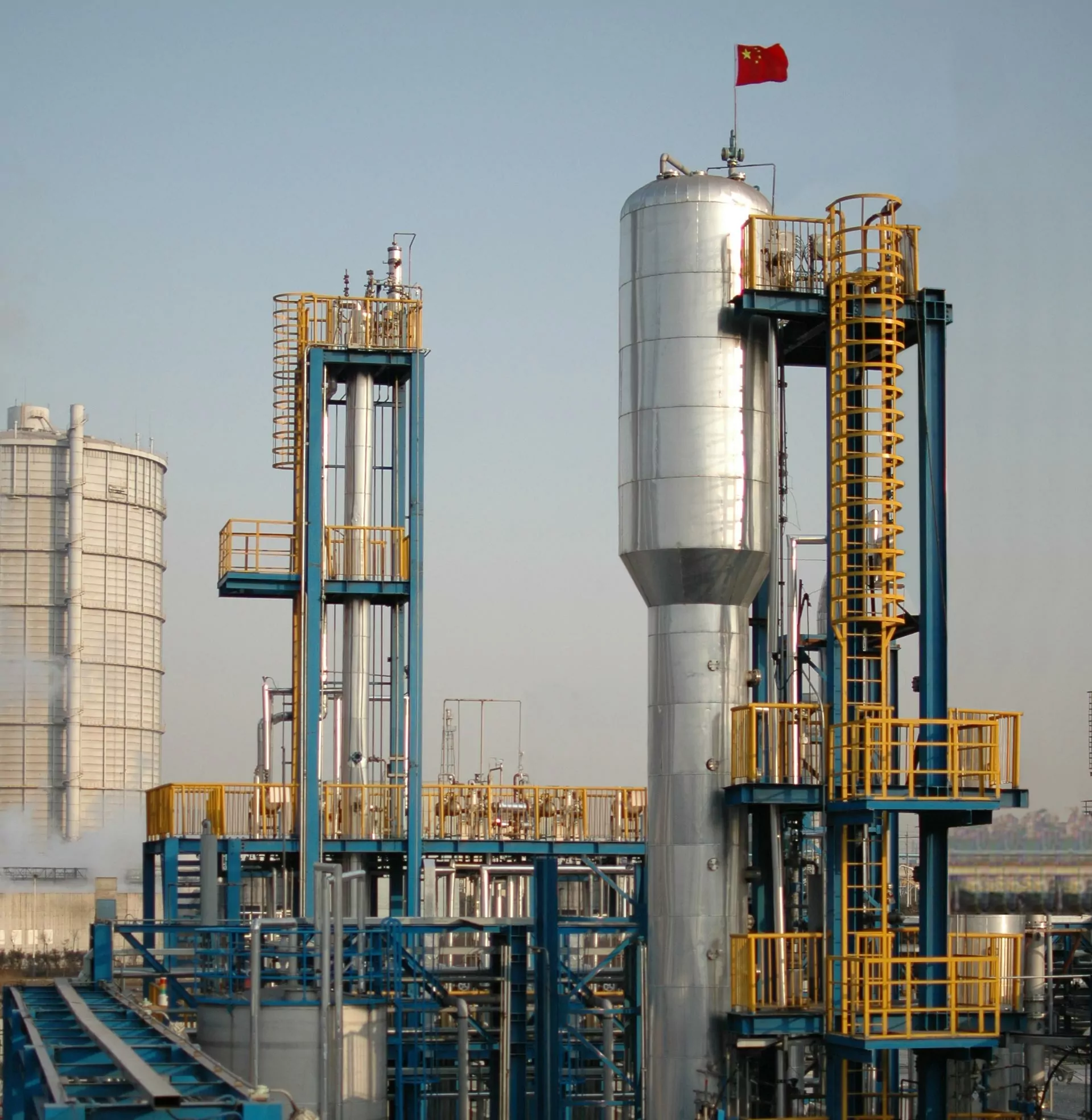
The project also highlights how the steel industry is evolving beyond its traditional role as a supplier of construction and manufacturing materials. Modern steel plants are increasingly becoming part of a broader circular economy, where energy efficiency, carbon utilization, and sustainable production methods are as important as steel output itself.
For the aviation sector, this innovation arrives at a critical moment. While electric aircraft technology continues to develop, experts believe that long-haul commercial aviation will remain dependent on liquid fuels for decades. Sustainable aviation fuel therefore represents one of the most practical pathways for reducing emissions in the near term.
For steel producers, the opportunity is equally important. Technologies that transform industrial by-products into valuable fuels create new economic value while supporting global decarbonization goals. As governments and industries accelerate their transition toward lower-carbon economies, such solutions may become increasingly important across the entire manufacturing sector.
At Jiangsu Cunrui Metal Products Co., Ltd., we closely follow developments in advanced steelmaking technologies and sustainable industrial practices. Innovations such as carbon recycling and sustainable aviation fuel demonstrate that the future of steel is not only about producing stronger materials, but also about contributing to cleaner and more efficient industrial ecosystems.
The partnership between steel manufacturing and sustainable aviation shows how industries that once seemed unrelated can work together to address global environmental challenges. What was once considered waste gas may soon help power the next generation of low-carbon air travel.