

As a supplier of 420 BA Stainless Steel Plate, I understand the importance of providing the best storage environment to maintain the quality and integrity of our products. In this blog post, I will discuss the optimal storage conditions for 420 BA Stainless Steel Plate, taking into account factors such as temperature, humidity, and protection from contaminants.
Temperature
The temperature of the storage environment plays a crucial role in preserving the properties of 420 BA Stainless Steel Plate. Stainless steel is generally resistant to corrosion, but extreme temperatures can affect its performance. It is recommended to store the plates in a temperature - controlled environment.
A temperature range between 10°C and 30°C (50°F - 86°F) is ideal. Temperatures below 10°C can make the steel more brittle, increasing the risk of cracking during handling. On the other hand, high temperatures above 30°C can accelerate the oxidation process, especially if the humidity is also high. Oxidation can lead to the formation of rust and scale on the surface of the stainless steel plate, which not only affects its appearance but also its mechanical properties.

Humidity
Humidity is another critical factor when it comes to storing 420 BA Stainless Steel Plate. High humidity levels can cause corrosion on the surface of the steel. The relative humidity in the storage area should be kept below 60%. When the humidity exceeds this level, water vapor in the air can condense on the surface of the steel, creating an environment conducive to rust formation.
To control humidity, dehumidifiers can be used in the storage facility. Additionally, proper ventilation is essential to prevent the build - up of moisture. Good ventilation helps to remove humid air and replace it with drier air, reducing the risk of corrosion.
Protection from Contaminants
420 BA Stainless Steel Plate should be protected from contaminants such as dust, dirt, and chemicals. Dust and dirt can scratch the surface of the steel, which can act as initiation points for corrosion. Chemicals, especially those containing chlorides, can be particularly harmful to stainless steel. Chlorides can break down the passive oxide layer on the surface of the steel, making it more susceptible to corrosion.
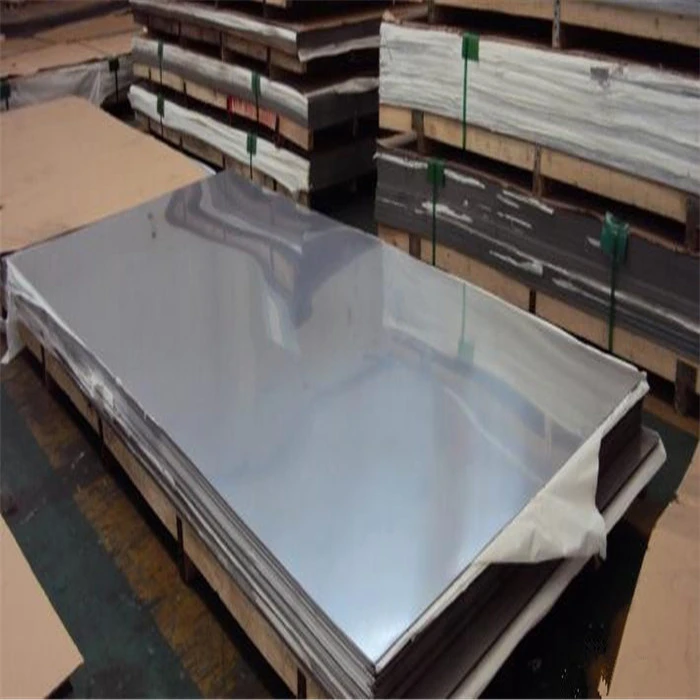
The plates should be stored in a clean and dry area. If possible, they should be covered with a protective film or sheet to prevent direct contact with dust and dirt. When handling the plates, it is important to use clean tools and gloves to avoid transferring contaminants to the surface.
Stacking and Support
Proper stacking and support of 420 BA Stainless Steel Plate are also important for maintaining its quality. The plates should be stacked in a stable manner to prevent warping or bending. When stacking, it is advisable to use spacers between the plates to ensure proper air circulation. This helps to prevent the build - up of moisture between the plates.
The support structure for the stacks should be strong and level. Uneven support can cause stress on the plates, leading to deformation. It is also important to avoid over - stacking the plates, as this can increase the risk of damage.
Storage in Different Climates
In different climates, the storage requirements for 420 BA Stainless Steel Plate may vary. In humid and tropical climates, extra precautions need to be taken to control humidity. Dehumidifiers may need to be run continuously, and the storage area may need to be more tightly sealed to prevent the entry of humid air.
In cold climates, insulation may be required to maintain the temperature within the optimal range. The plates should also be protected from ice and snow, as they can introduce moisture and cause corrosion.
Comparison with Other Stainless Steel Products
When comparing 420 BA Stainless Steel Plate with other stainless steel products such as Hot Rolled Stainless Steel Plate 201 430 410 202 304 316l Stainless Steel Plate, the storage requirements are generally similar. However, different grades of stainless steel may have different levels of corrosion resistance. For example, 316L stainless steel is more resistant to corrosion in chloride - rich environments compared to 420 BA stainless steel.
stainless steel metal plates and 310s stainless steel sheet also have their own unique properties. 310S stainless steel has excellent high - temperature resistance, which may influence its storage requirements in terms of temperature control.
Importance of Proper Storage
Proper storage of 420 BA Stainless Steel Plate is not only important for maintaining its quality but also for ensuring customer satisfaction. When customers receive high - quality stainless steel plates, they are more likely to be satisfied with their purchase and may become repeat customers.
Moreover, proper storage can reduce the risk of product returns and complaints. If the plates are stored in an improper environment and develop corrosion or other defects, it can lead to costly replacements and damage to the company's reputation.
Conclusion
In conclusion, the best storage environment for 420 BA Stainless Steel Plate is a temperature - controlled area with a temperature range between 10°C and 30°C and a relative humidity below 60%. The plates should be protected from contaminants, stacked properly, and supported evenly. Different climates may require additional measures to ensure the optimal storage conditions.
If you are interested in purchasing 420 BA Stainless Steel Plate or have any questions about our products and storage recommendations, please feel free to contact us for further discussion and procurement negotiation.
References
- ASM Handbook Volume 13A: Corrosion: Fundamentals, Testing, and Protection
- Stainless Steel Association Technical Guides