

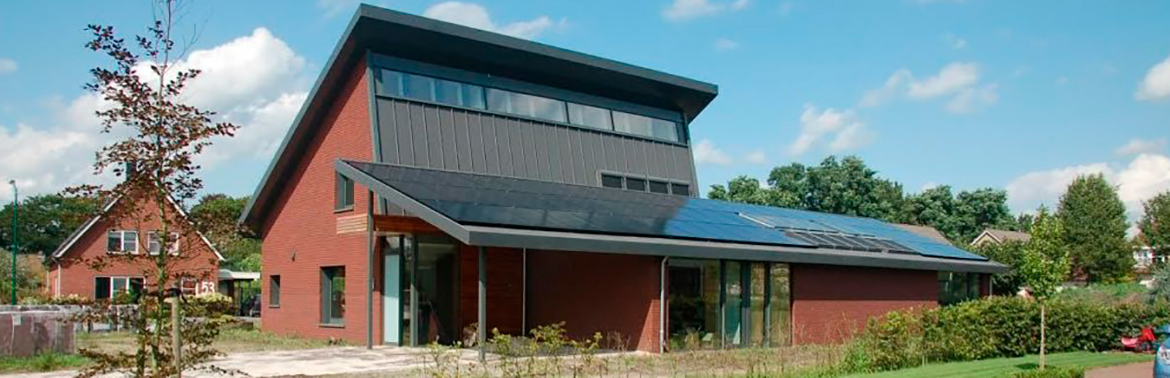
As global construction moves toward low-carbon and sustainable development, steel-based building structures are playing an increasingly critical role. A notable example is the House of Tomorrow Today (HoTT) project in the Netherlands, which demonstrates how carbon steel, cold-formed steel, stainless steel, and special steel materials can support energy-efficient and environmentally responsible housing.
Located near Eindhoven, the HoTT was designed as both a residential building and a real-world test case for sustainable architecture. At the heart of the structure is a cold-formed carbon steel frame, selected for its high strength, dimensional stability, corrosion resistance, and recyclability.
Why Steel Was Chosen for the HoTT Structure
Compared with traditional reinforced concrete, structural steel and carbon steel framing systems offer clear advantages in modern sustainable construction. The HoTT design reduced overall material usage by approximately 50% while maintaining long-term structural safety and durability.
Cold-formed steel provides excellent load-bearing performance with low self-weight, reducing foundation stress and improving seismic behavior. In addition, prefabricated steel structures allow faster construction, higher dimensional accuracy, and reduced onsite material waste.


Thermal Efficiency Enabled by Steel Structures
The building envelope combines precision-fabricated steel components with lightweight prefabricated wall, floor, and roof systems, improving airtightness and thermal insulation performance. This approach helps minimize heat loss, lower energy consumption, and extend the service life of the building.
Thanks to the durability and flexibility of carbon steel and special structural steel, the HoTT is also designed for disassembly and reuse, aligning with circular economy principles increasingly adopted in green building projects.

Integrating Steel with Renewable Energy Systems
Beyond its steel structure, the HoTT integrates photovoltaic panels, heat pumps, and intelligent building management systems. Steel structural frames support efficient installation of floor heating and cooling systems while ensuring stable indoor comfort across seasonal temperature variations.
The house generates approximately 15,000 kWh of electricity annually, meeting household demand and delivering surplus energy to the grid-demonstrating the strong compatibility between steel construction materials and renewable energy solutions.
Steel as a Foundation for Future Green Buildings
Long-term performance data confirms that the HoTT achieves an energy surplus, reinforcing the suitability of carbon steel, cold-formed steel, stainless steel components, and special steel profiles for sustainable housing, public buildings, and commercial projects.
As a professional steel materials supplier, Jiangsu Cunrui Metal Products Co., Ltd. continues to focus on providing high-quality stainless steel, carbon steel, and special steel products for construction, infrastructure, and industrial applications worldwide. By supporting innovative projects and sustainable development, the company remains committed to delivering reliable steel solutions that meet the evolving demands of modern green building.