

From Electric Vehicles to Electrified Roads

The journey toward widespread electric vehicle adoption has not always been easy. Although modern electric vehicles have overcome many early challenges, including design limitations and performance concerns, one major obstacle remains: limited driving range and the resulting range anxiety.
Today's electric vehicles can offer impressive acceleration, advanced technology, and attractive designs. However, drivers still need to plan charging stops carefully, especially during long-distance travel.
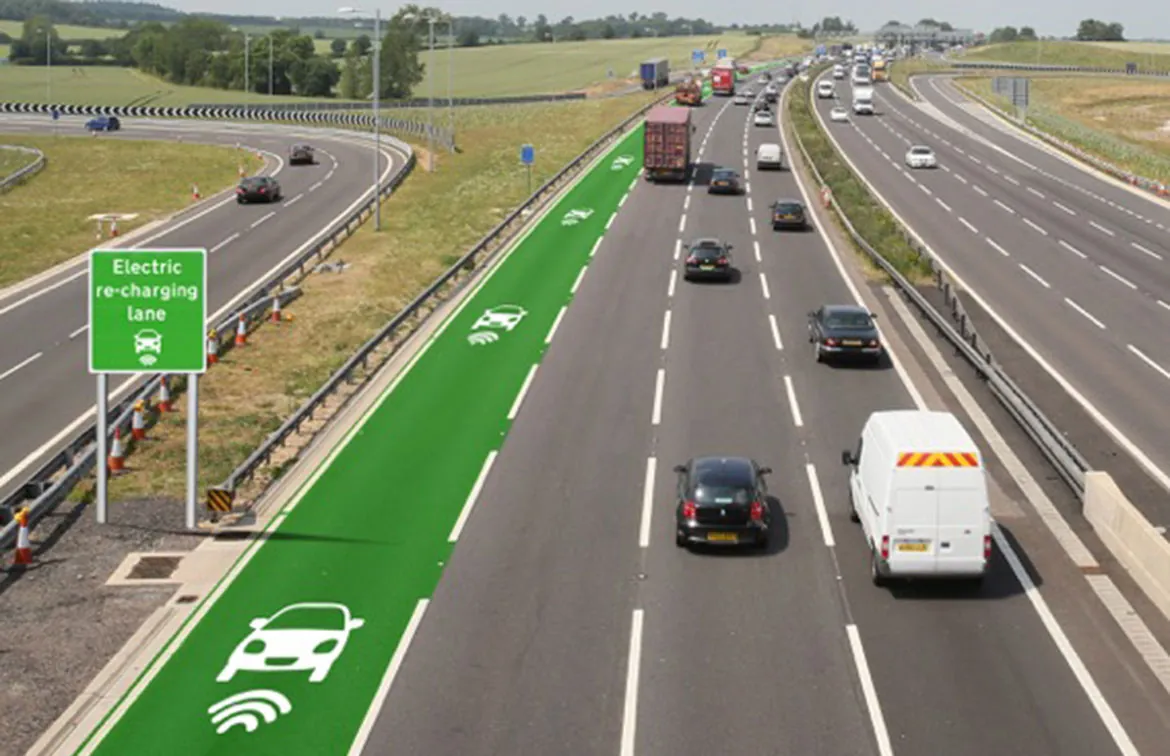
A new research direction may change the future of electric transportation: instead of stopping to charge, vehicles could receive power while driving on electrified roads.
Researchers from Toyohashi University of Technology in Japan have developed a technology called Vehicle-to-Road Wireless Power Transfer (V-WPT), which aims to provide dynamic charging for electric vehicles while they are moving.
This innovative system shows how advanced engineering materials, especially steel, can help create the next generation of transportation infrastructure.
How Does Wireless Charging Road Technology Work?
Traditional wireless charging systems usually require vehicles to remain stationary during charging. This technology is already widely used in small electronic devices such as smartphones and electric toothbrushes.
However, charging a moving vehicle creates a much greater engineering challenge. The distance between the vehicle and the road surface is much larger, and the system must transfer energy efficiently while handling continuous movement and heavy traffic loads.
To solve this problem, Professor Takashi Ohira and his research team developed a system that transfers electricity through the vehicle's wheels.
The technology uses steel belts inside specially designed tires to collect energy from steel electrodes installed beneath the road surface.
The embedded system works similarly to railway power transmission:
Electricity is supplied through conductive structures beneath the road.
The vehicle receives energy through the wheels.
The power is transferred to the electric motor.
The electrical circuit returns through the opposite wheel.
This approach allows electric vehicles to recharge continuously while traveling instead of depending only on stationary charging stations.
Why Steel Is Essential for Electrified Roads
For this type of transportation infrastructure, material selection is one of the most important factors.
The research team selected steel because it provides an excellent combination of:
- Electrical conductivity
- Mechanical strength
- Long-term durability
- Cost efficiency
- Easy availability
According to Professor Ohira, steel was an ideal choice because it can provide stable performance over long distances without creating excessive costs.
In large-scale infrastructure projects, materials such as structural steel and carbon steel plate are commonly selected because they can withstand mechanical stress while maintaining reliable performance over many years.
For electrified roads, the embedded conductive structures must continuously handle:
- Vehicle weight
- Traffic pressure
- Temperature changes
- Environmental exposure
- Long-term operation
High-quality steel materials provide the strength and stability required for these demanding conditions.
The Role of Steel Plate in Wireless Charging Road Systems
One of the key components of this technology is the installation of long parallel steel plates beneath the road surface.
These steel plates act as conductive elements that help transfer electrical energy between the infrastructure and moving vehicles.
Similar to many transportation and industrial applications, steel plate is widely used where high strength, durability, and structural reliability are required.
For large-scale projects, carbon steel plate is often considered a practical material solution because it provides:
- High load-bearing capability
- Good machinability
- Excellent welding performance
- Cost-effective structural performance
The performance of underground steel structures is critical because these components must operate reliably while remaining difficult to access for maintenance.
Steel Materials in Future Transportation Infrastructure
The development of wireless charging roads demonstrates how traditional industrial materials can support future technologies.
Although electric vehicles represent advanced innovation, the infrastructure supporting them still depends on reliable engineering materials.
Modern transportation systems often require different types of steel solutions, including:
- Structural steel for large infrastructure frameworks
- Carbon steel plate for heavy-duty structural applications
- Steel sheet for fabricated components and protective structures
- Steel components for customized engineering systems
The same principles apply across railway systems, bridges, highways, and industrial equipment: materials must provide the right combination of strength, durability, and cost efficiency.
From Railway Tracks to Electric Roads: Steel Connecting Transportation Systems
The researchers compared this technology to railway systems, where electrical power is transferred through dedicated infrastructure.
Railways have relied on steel for more than a century because steel provides excellent mechanical strength and durability under repeated loads.
The development of electrified roads follows a similar principle. The infrastructure requires materials that can support continuous operation, heavy traffic, and long service periods.
From traditional railway tracks to future wireless charging highways, steel continues to play an important role in modern transportation development.
Challenges and Future Development of Electrified Roads
Although the concept of wireless charging highways sounds futuristic, several large-scale research projects are already exploring its practical application.
Projects such as FABRIC in Europe have investigated the technical feasibility of dynamic charging solutions for electric vehicles through testing sites in multiple countries.
However, several challenges remain before widespread adoption:
- Infrastructure construction costs
- Long-term durability testing
- Energy efficiency improvement
- Standardization requirements
- Maintenance considerations
The success of electrified roads will depend not only on charging technology but also on reliable infrastructure materials that can perform under real-world conditions.
How Steel Supports the Future of Mobility
The idea of vehicles charging while driving may once have sounded like science fiction. Today, advances in electrical engineering and material technology are bringing this concept closer to reality.
Steel plays a critical role in this transformation because it provides the foundation for strong, durable, and cost-effective infrastructure.
Whether used in railway systems, industrial structures, or future electric vehicle roads, high-quality steel materials help engineers build solutions that can withstand demanding environments.
From carbon steel plate used in heavy-duty structures to advanced steel components designed for transportation systems, the right material choice remains essential for creating the future of mobility.
Steel is not only a traditional construction material - it is also a key element in the next generation of transportation innovation.