

Modular steel structures could fundamentally change the construction industry while helping reduce the carbon footprint of building projects.
Modular construction involves assembling different parts of a building off-site, transporting completed modules to the construction location, and installing them into their final positions.
Today, modular construction is becoming increasingly popular, and steel is often one of the key materials supporting this modern building method.
Faster Construction Through Off-Site Manufacturing
Off-site manufacturing provides several advantages.
Many tasks that traditionally need to wai
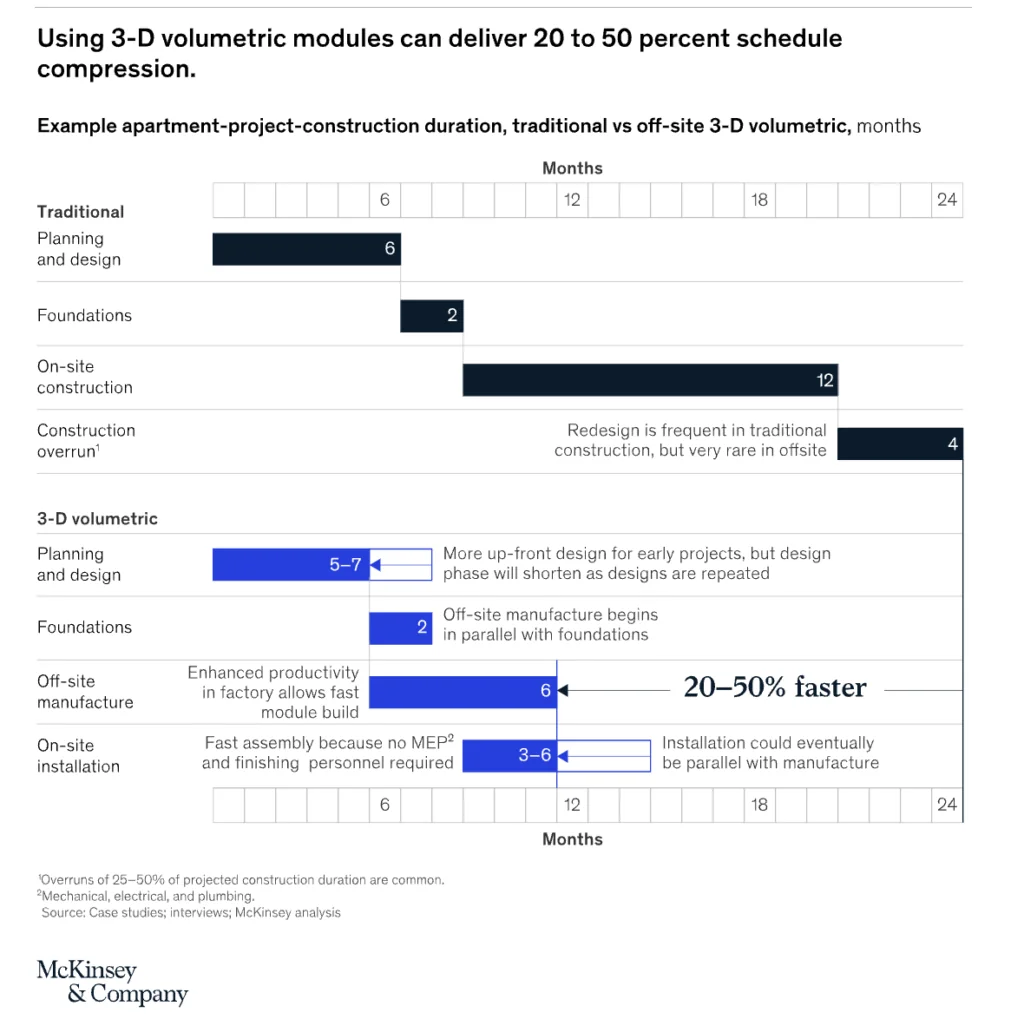
t until a specific construction stage is completed can now be carried out simultaneously in a factory environment, significantly improving project efficiency.
Because modular components are manufactured indoors, construction is less affected by extreme weather conditions, further reducing costs and improving productivity.
A study by McKinsey on modular construction projects showed that modular methods could reduce project schedules by 20% to 50%.
The company found that modular construction technology could also create significant cost savings as the industry continues to optimize supply chains and production methods.
For modern modular buildings, steel materials play an essential role because they combine strength, durability, and manufacturing flexibility.
Products such as Structural Steel Plate are widely used in prefabricated construction systems because they provide reliable mechanical performance and support precise fabrication processes.
Improving Safety and Reducing Environmental Impact
By reducing high-altitude construction work and minimizing activities at the building site, modular construction can improve workplace safety while reducing surrounding pollution and traffic congestion.
Compared with traditional construction methods, modular steel structures require fewer deliveries, less on-site labor, and more controlled manufacturing processes.
The use of Prefabricated Steel Structure systems allows builders to complete major structural work in factories before transportation, helping improve quality control and reduce construction waste.
Modular Construction Reduces Site Transportation
European Natural Power, a subsidiary of GS Engineering & Construction, conducted a study on its modular construction project at Smith Gardens in Birmingham, UK.
The project involved six residential blocks containing 550 one-, two-, and three-bedroom modular steel apartments, including one building reaching 26 stories.
The research revealed that compared with traditional construction methods of the same size and scale, modular steel construction reduced site deliveries by approximately 3,700 trips and reduced truck movements to and from the site by around 56%.
With fewer transportation requirements, surrounding traffic congestion and pollution were also reduced.
Behind these advantages is the efficiency of factory-produced steel components. Steel Structure Components manufactured under controlled conditions can be assembled faster while maintaining consistent quality.
Modular Construction Will Transform the Supply Chain
According to McKinsey's report, the growth of modular construction could reshape the entire construction supply chain.
For construction material suppliers, the market structure may change significantly. Customers and prefabrication manufacturers may require different types of materials as modular building systems continue to develop.
For example, if steel frame modules and engineered timber systems gain greater market share, traditional material suppliers may need to adapt to new manufacturing and distribution models.
For steel manufacturers, this transition creates new opportunities.
Materials such as Carbon Steel Plate and Structural Steel Tube are becoming increasingly important in modular construction because they provide the strength, fabrication efficiency, and flexibility required for factory-based production.
The Future of Modular Steel Construction
If modular construction becomes a mainstream building method, the steel industry will need to prepare for changing construction requirements.
The future of building will rely not only on traditional construction methods but also on advanced manufacturing, standardized components, and efficient supply chains.
From prefabricated building frames to customized structural modules, steel will continue to play a critical role in creating faster, safer, and more sustainable construction solutions.